Window Tinting vs. Paint Protection Film vs. Auto Wraps: What's the Difference?
When it comes to enhancing, restyling, and protecting your vehicle, three automotive aftermarket services stand above the rest: window tinting, paint protection film (PPF), and auto vinyl wraps. While each service enhances your vehicle's overall appeal and preserves its value, they are engineered for fundamentally different purposes and target entirely distinct areas of your vehicle.
Many vehicle owners find themselves asking: Which service do I actually need? Should I choose PPF or a vinyl wrap? Can I combine window tinting with paint protection? The confusion often stems from the fact that all three involve precision film applications, yet their chemical compositions, thickness, durability, and primary functions could not be more divergent.
In this definitive comparison guide, we break down the core engineering, benefits, lifespan, and investment costs of window tinting, paint protection film, and auto wraps. By understanding how each film technology works, you can make an informed, confident decision to tailor the ultimate protection and styling package for your vehicle.
Table of Contents
Jump directly to any section of this comprehensive service guide.
Core Purpose and Primary Function of Each Service
The most important distinction among the three services lies in their primary function. Window tinting is applied exclusively to your vehicle's automotive glass to manage light, reject solar heat, block ultraviolet radiation, and provide interior privacy and safety.
Paint Protection Film (PPF), often called clear bra, is an optically clear, thick polyurethane shield applied directly to painted exterior body panels. Its single mission is physical defense: absorbing kinetic energy to prevent rock chips, scratches, chemical stains, and road debris gouges.
Auto vinyl wraps, on the other hand, are engineered primarily for aesthetic transformation and visual personalization. Wraps allow you to change the complete color, texture, or finish of your vehicle without repainting, while also functioning as high-impact mobile advertising for commercial businesses.
While there is some functional overlap—such as wraps offering light surface scratch protection—each service excels in its own dedicated category. Choosing the right one begins with identifying your main priority: solar comfort, impact armor, or visual customization.
Material Science: Polyurethane vs Vinyl vs Polyester/Ceramic
Understanding the physical material composition of these films explains why their performance characteristics vary so dramatically. Paint protection film is constructed from high-grade thermoplastic polyurethane (TPU), a rubber-like, flexible polymer capable of stretching, flexing, and returning to its original state.
Automotive window tints are manufactured from multilayered optical polyester (PET) infused with ceramic nanoparticles, carbon matrices, or specialized dyes. These micro-layers are engineered to filter electromagnetic radiation, specifically infrared (heat) and ultraviolet rays, while maintaining pristine optical clarity for safe driving vision.
Vehicle wraps are manufactured from polyvinyl chloride (PVC), commonly formulated as premium cast vinyl. Cast vinyl is exceptionally pliable and dimensionally stable, allowing it to stretch and mold around complex body curves, compound contours, and recessed body lines.
Because TPU is significantly thicker and more pliable than PVC, PPF can withstand violent projectile impacts from gravel that would easily puncture standard vinyl wraps. Meanwhile, ceramic window tint excels strictly at thermal radiation rejection where neither PVC nor standard TPU are designed to perform.
Thickness and Impact Resistance Compared
When evaluating physical impact defense, film thickness is the decisive factor. Paint protection film is by far the heaviest armor of the three, typically measuring between 8 to 10 mils (approx. 200 to 250 microns) thick, complete with an impact-absorbing elastomeric core and a self-healing clear coat.
Auto wrap vinyl, in contrast, measures only 3 to 4 mils (approx. 75 to 100 microns) thick. While a vinyl wrap can shield your factory paint from minor scuffs, light swirl marks, and sun oxidation, it is not engineered to withstand high-velocity gravel or highway rock strikes.
Window tint film generally ranges between 1.5 to 2 mils thick. Although thin, its durable mounting adhesive and polyester layers provide structural tensile strength that holds glass shards together during impacts or break-in attempts, protecting cabin occupants.
If rock chip prevention on your front bumper and hood is your number one goal, paint protection film is the only product engineered to provide reliable, heavy-duty mechanical protection. A vinyl wrap simply cannot match the energy dissipation of thermoplastic polyurethane.
Aesthetic Impact: Invisible Defense vs Custom Restyling
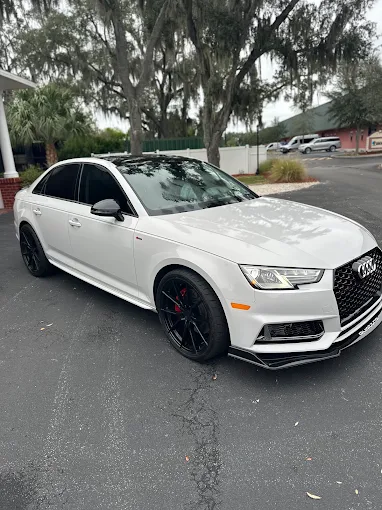
From a visual perspective, the goals of these three services represent completely different design philosophies. Paint protection film is engineered to be virtually invisible, preserving and showcasing the exact original factory paint color, metallic flake, and finish beneath.
Modern high-gloss PPF enhances your vehicle's factory depth and shine, making it look as though there is nothing on the paint at all, while satin/matte PPF transforms your glossy paint into a rich, frozen finish while preserving the underlying factory color.
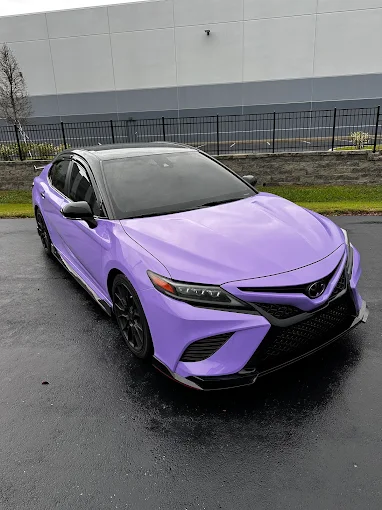
Auto wraps, by contrast, are designed to make an unmistakable visual statement. With hundreds of colors, ultra-gloss finishes, satin pearls, chrome accents, and printed graphic designs, a wrap enables you to reinvent your car's look completely whenever you want.
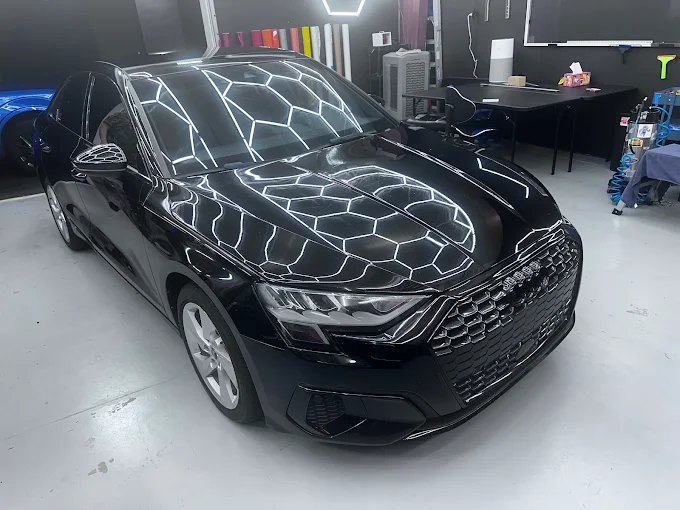
Window tinting bridges both worlds: it delivers a sleek, distinguished exterior profile that complements any vehicle color while simultaneously darkening the glass to enhance cabin privacy and eliminate the fishbowl effect.
Lifespan, Durability, and Maintenance Requirements
Each film type features distinct longevity expectations and maintenance routines. Premium paint protection film delivers the greatest exterior longevity, typically lasting 7 to 10 years backed by robust manufacturer warranties against yellowing, cracking, or peeling.
Quality cast vinyl wraps generally have an expected lifespan of 4 to 7 years depending on sun exposure, climate, and maintenance habits. Because vinyl contains plasticizers that can dry out under prolonged Florida UV exposure, regular washing and covered parking prolong its lifespan significantly.
High-end nano-ceramic window films offer the greatest longevity of all three, frequently carrying a lifetime warranty. Installed on the interior of the glass, window tint is shielded from road grit and rain, ensuring decades of reliable performance without fading or bubbling.
All three services benefit from gentle, pH-neutral hand washing, the avoidance of abrasive automated car wash brushes, and the application of specialized ceramic coatings to simplify cleaning and enhance durability.
Cost Analysis and Return on Investment
Investing in professional automotive films delivers distinct economic returns, whether through tangible vehicle preservation, enhanced daily driving comfort, or business revenue generation.
Window tinting is the most accessible entry point, typically ranging from $250 to $700+ for complete vehicle coverage. Its return on investment is felt immediately in superior cabin climate control, reduced air conditioning strain, UV protection, and enhanced safety.
Paint protection film ranges from $900 to $2,500+ for front-end coverage, up to $5,000 to $8,000+ for full-body coverage. PPF offers exceptional financial ROI by preventing expensive paint repainting and preserving factory-original paintwork, which directly translates to thousands of dollars in higher resale value.
Auto wraps typically cost between $2,500 and $5,000+ for full color changes. For commercial businesses, wraps offer an astronomical return on advertising investment, turning fleet vehicles into 24/7 mobile billboards that generate millions of local brand impressions every year.
Can You Combine All Three Services?
Not only can you combine window tinting, paint protection film, and auto wraps—doing so creates the ultimate all-in-one vehicle protection and styling package.
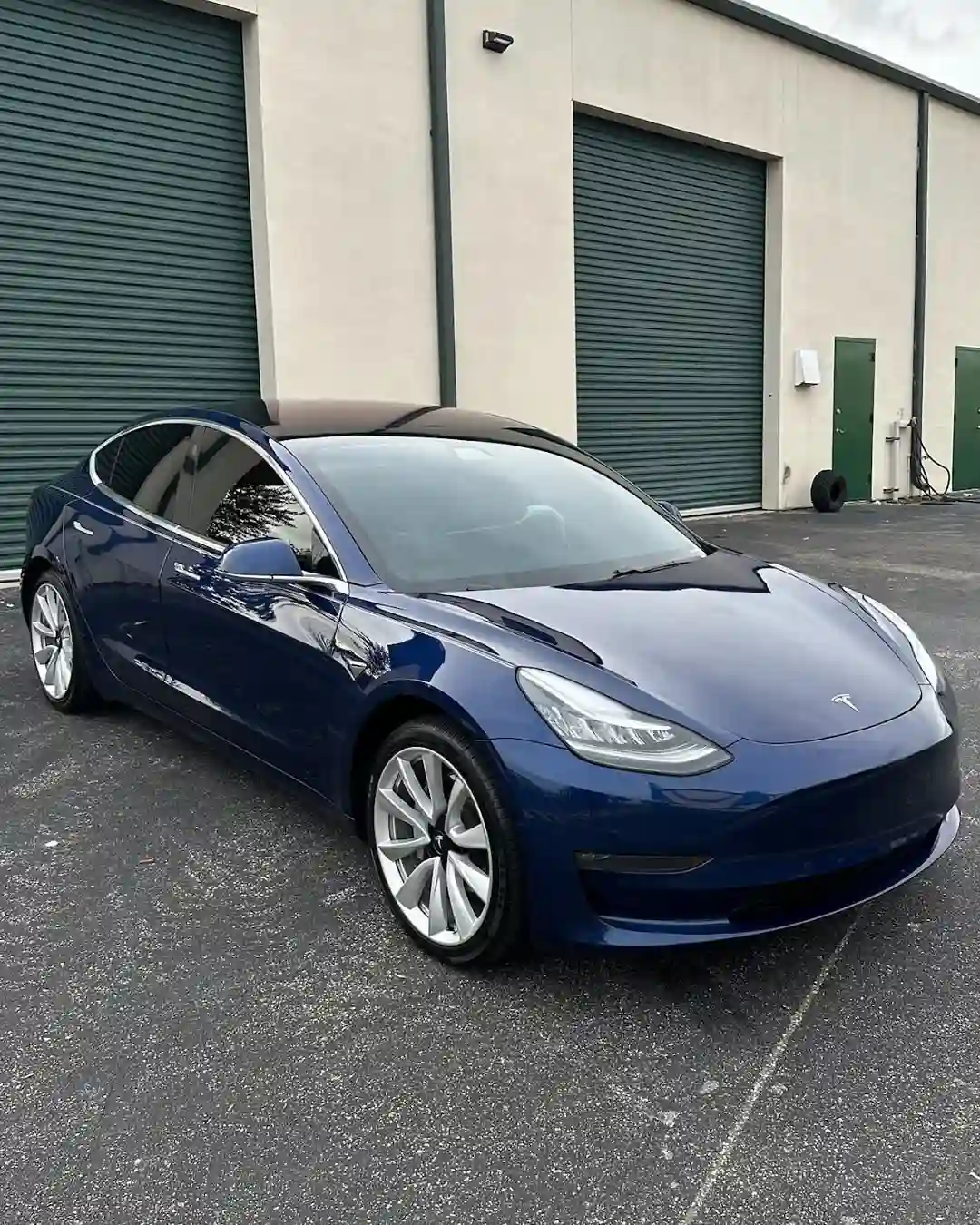
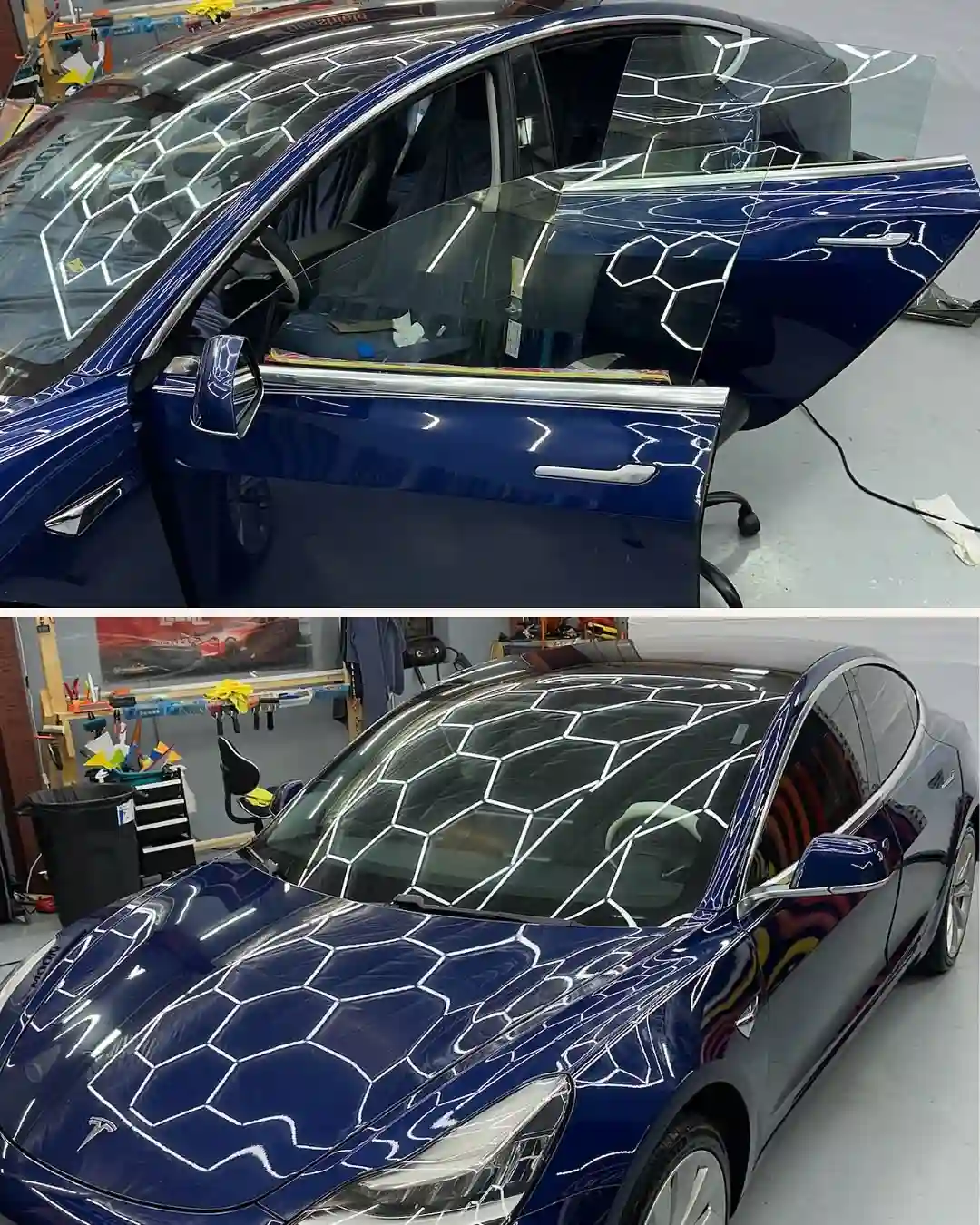
Many vehicle enthusiasts choose to wrap their vehicle in a custom vinyl color, apply clear paint protection film over the high-impact front bumper and hood to defend the wrap from rock tears, and install ceramic window tint across all glass for complete heat rejection.
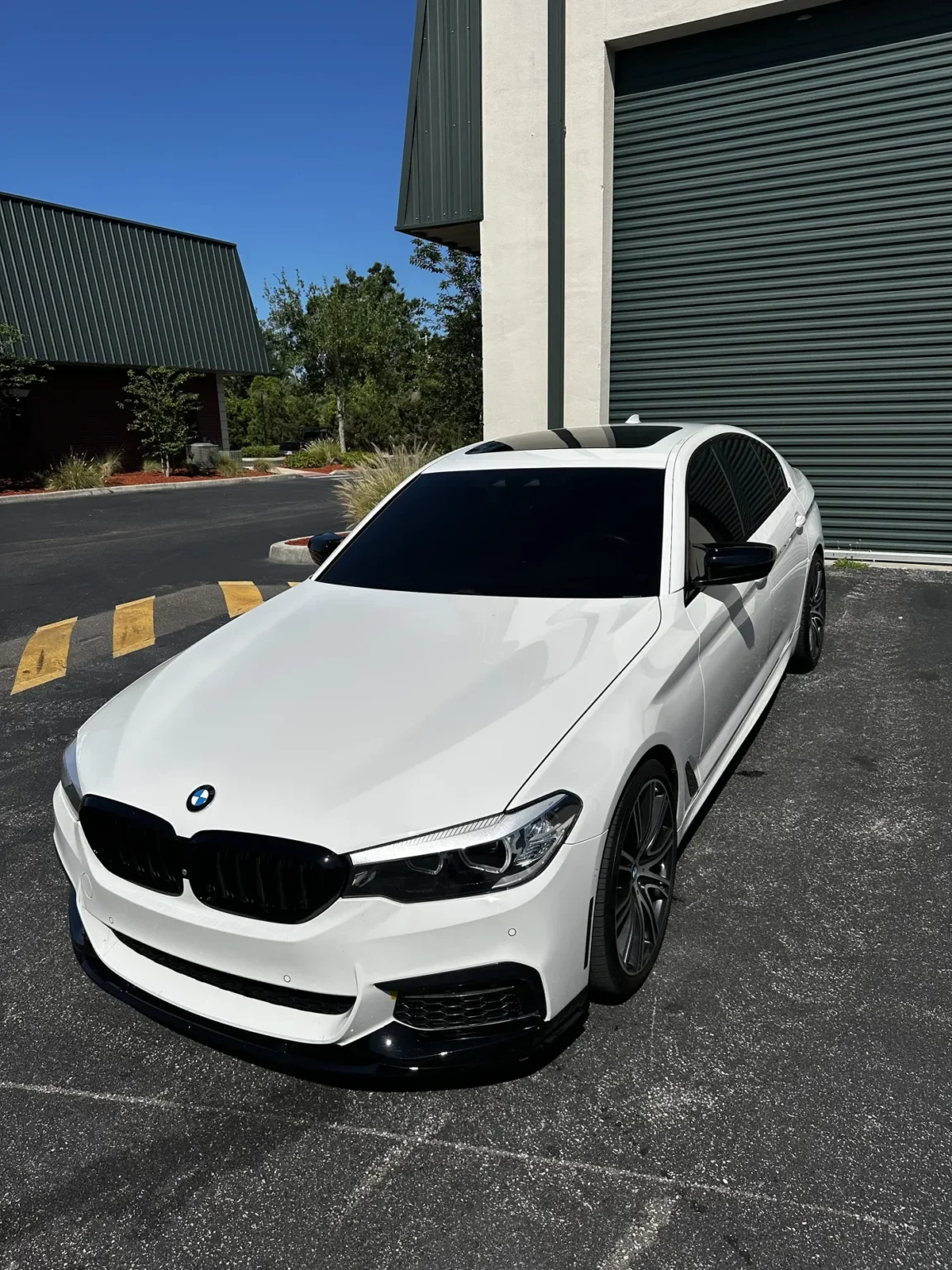
Alternatively, the most popular luxury vehicle setup involves applying full front PPF to preserve factory paint, ceramic window tint on all windows and the windshield for thermal comfort, and custom vinyl accents—such as a gloss black roof wrap or chrome delete—for a personalized aesthetic.
By pairing these services strategically, you achieve uncompromising solar comfort, indestructible road hazard protection, and head-turning custom aesthetics tailored exactly to your lifestyle.
Contact Us Today
Have questions or need emergency service? Reach out to our dedicated team anytime.
SS WRAPS & TINTS
Fast, dependable support and honest pricing across our service area.
Frequently Asked Questions
Find clear, helpful answers to common questions regarding our process, pricing, equipment, and satisfaction guarantee.